
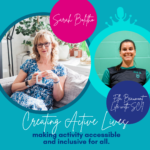
How to Embrace Disability and Inclusivity in Fitness: Insights from Ella Beaumont
Are you curious about creating a more inclusive fitness environment for people with disabilities? Maybe you’re a fitness professional looking to expand your understanding or someone interested in how sports and activity can transform lives. This post explores key lessons from Ella Beaumont, a Paralympic athlete, disability advocate, and qualified personal trainer, who shares her experiences and insights on making fitness accessible, inclusive, and inspiring for everyone. In this article, you’ll learn about the importance of understanding individual needs, adaptive strategies for exercise, and the crucial role of mindset and community in cultivating active, empowered lives. Whether you’re a trainer, a gym owner, or simply passionate about inclusive activity, these insights will help you challenge stereotypes and foster environments where all abilities can thrive.
Overcoming Barriers: Understanding Disability and Challenging Stereotypes
Ella Beaumont’s story begins with a compelling illustration of resilience and adaptability. Born with a spinal cord injury, Ella’s journey highlights how prejudice and misconceptions about disability often hinder participation in physical activity. She emphasises the importance of listening and asking —recognising that the individual with a disability is the expert on their own body.
The Power of Communication
Ella stresses that communication is vital. Instead of making assumptions, ask clients or participants, “What can you do?” and “What are you comfortable trying?” This approach fosters trust, encourages autonomy, and helps tailor activities appropriately.
The Myth of Fragility
A common misconception is that people with disabilities are fragile or less capable—Ella refutes this, pointing out that disabled bodies are often more resilient than we think. Her experience in wheelchair sports demonstrates how physical strength and endurance can surpass expectations, challenging stereotypes about limitations.
Adaptive Strategies: Creating Inclusive Exercise Experiences
Ella’s journey into fitness began during the COVID-19 lockdown when she saw a gap in accessible online workouts for wheelchair users. Her response? Innovate and adapt exercise to fit individual abilities and resources
.Designing Inclusive Workouts
Ella advocates for using everyday objects—like tins of beans or water bottles—as weights, ensuring exercises are accessible regardless of equipment availability. Her “broomstick” exercises for able-bodied clients are perfect examples of adaptive creativity, fostering engagement and learning.
The Role of Environment and Infrastructure
Ella also highlights the significance of accessible outdoor spaces. For instance, the wheelchair-friendly path around Sprayed Lake in Colorado allows families and individuals to experience nature safely and inclusively. Such initiatives demonstrate how environment design can remove physical barriers.
Practical Tips for Trainers
- Always ask clients what they can do or want to achieve
- Use household items or simple equipment to modify exercises.
- Focus on functional movement that supports daily life activities.
- Incorporate accessible outdoor activities when possible.
The Mindset Shift: Emphasising Progress, Not Perfection
A recurring theme is the importance of celebrating small victories. Ella points out that success is not measured solely by gym stats but by real-life improvements—like being able to transfer independently or walk longer distances. Creating a Positive, Supportive EnvironmentHer experience with inclusive sports rules, such as “Ella’s Rules” in netball, shows how small modifications can foster confidence and participation. The goal is harmony: adapting activities so everyone feels included and valued
Fostering Self-Efficacy and Confidence
Ella notes that encouraging individuals to try new things without fear of failure builds resilience. For example, her own journey into wheelchair rugby taught her humility and respect for physical endurance
The Crucial Role of Qualified and Inclusive Instructors
Ella’s qualifications as a disability instructor and personal trainer underscore how specialised knowledge enhances inclusivity. She laments the withdrawal of disability-specific training in the UK, stressing that more qualified instructors are essential to serve diverse needs.
Why Inclusive Trainers Matter
- They understand the unique challenges and strengths of people with disabilities.
- They can adapt exercises safely and effectively
- They foster an environment where everyone feels welcome
Building a More Inclusive Industry
Ella urges for increased training opportunities and awareness to break down barriers—both physical and attitudinal—in the fitness sector.
Practical Steps to Foster Inclusivity in Your Fitness Practice
Based on Ella’s insights, here are actionable tips to make your fitness offerings more accessible:
-
Ask and listen
: Engage in open dialogue about individual capabilities and preferences.
-
Modify and adapt
: Use household items or natural environments to diversify your exercise routines.
-
Educate yourself
: Pursue qualifications in disability fitness and stay current with research.
-
Create a supportive community
: Celebrate small achievements and encourage peer support.
-
Prioritise functional gains
: Focus on exercises that improve real-life abilities, rather than just gym metrics.
-
Make environments accessible
: Advocate for or incorporate outdoor trails, ramps, and other accessible infrastructure.
Why Inclusivity Benefits Everyone
Ella reminds us that inclusive fitness isn’t just for people with disabilities—it enhances community, innovation, and understanding for all. For example, her work with able-bodied clients using adaptive exercises reveals how thinking outside the box can invigorate routines and deepen engagement. Furthermore, promoting inclusive practices helps dispel myths, reduce stigma, and inspire broader participation. When programs reflect the diversity of the community, everyone benefits from richer, more meaningful activity experiences.
Final Thoughts: Moving Toward a More Inclusive Fitness Culture
Ella Beaumont exemplifies how a shift in mindset—toward understanding, creativity, and collaboration—can transform fitness from a one-size-fits-all model to an empowering, inclusive environment. As trainers, advocates, or enthusiasts, embracing these principles allows us to unlock potential, foster resilience, and build active lives for every individual, regardless of ability.
Begin today by asking, listening, and adapting. Small changes can create waves of positive impact—both for your clients and your community.
Want to learn more? Connect with Ella Beaumont through her website ellabeept.co.uk or check out her YouTube channel for accessible workout ideas. Together, we can make inclusive fitness a reality.
Frequently Asked Questions
How can I modify exercises for someone with a spinal cord injury? Focus on functional movements that support daily activities. Use household items like water bottles as weights, or adapt positions to accommodate mobility limitations. Always ask the individual what feels right for them. What are some common misconceptions about disability and exercise? Many believe disabled bodies are fragile or incapable of strength and endurance. Ella emphasises that bodies with disabilities are resilient and capable of significant physical achievement, with proper adaptations and mindset.
Why is training in disability-specific fitness important?
It ensures exercises are performed safely, effectively, and inclusively. Qualified instructors understand the nuances of various conditions, reducing risk and fostering confidence.
How can outdoor spaces enhance accessibility? Accessible trails and paths allow people with disabilities to experience nature and engage in activity outside traditional gym settings—promoting mental health, community, and physical wellness.
Transform your approach to fitness: ask questions, adapt exercises, foster confidence, and champion inclusivity. Together, we can create active lives for everyone.
Recent Comments