
Introduction:
In the complex journey of a woman’s life, motherhood often creates unexpected emotions – sometimes we are overwhelmed with joy and at other times we are shadowed by unexpected challenges. One such challenge that often goes unnoticed is postnatal depression. In this blog post, we explore the journey of women facing postnatal depression, highlighting the importance of resilience, the power of community, and the importance of reclaiming our identity during this life transition.
Understanding the Silent Struggle:
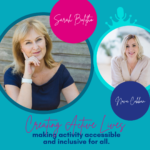
Postnatal depression is a silent battle fought alone by many new mothers, it is often shrouded in societal expectations and the expectation or facade of a perfect motherhood experience. It doesn’t discriminate; it affects women regardless of their backgrounds, but the silence around it can be deafening. We are told how happy we must be, and how gorgeous our baby is. While help is offered, it is not always actually given – saying “let me know if you need anything” is not as helpful as turning up with a meal and looking after the baby while the mother eats it. The experience of Nova Cobban, a psychologist, psychotherapist, and coach, sheds light on this often unspoken part of motherhood. She shares her personal journey, emphasizing the emotional turmoil that accompanies the arrival of a newborn.
The Identity Shift:
Motherhood, among other significant life transitions, can lead to a profound shift in a woman’s identity. The societal changes over the years, from predefined and supported roles to multifaceted careers and lifestyles, have intensified this shift. With lost or fading supportive communities, the process becomes even more challenging. The struggle to maintain a sense of self amidst changing roles as a mother, partner, and individual becomes intense, creating a void that we often don’t know how to fill.
The Power of Shared Experiences:
One of the most impactful ways to combat postnatal depression is the power of community and shared experiences. Open conversations, mutual support, and the acknowledgement that one is not alone in this journey can make a world of difference. In my podcast “Creating Active Lives,” I highlight this cause by having dialogues around postnatal depression and women’s identity shifts. It is through this and other conversations, that women feel less alone, and find solace in the shared stories, realising that their struggles are not isolated but part of a larger, collective experience. They are normal in fact!
Rediscovering Strength Through Movement:
A pivotal aspect of postnatal depression recovery often involves physical activity. Exercise, in its various forms, becomes a place or activity where women can regain their strength, both physically and mentally. The story of Nova Cobban’s dedication to daily walks and the gym showcases the supportive and recuperative power of movement. The rhythmic motion of walking and the empowering discipline of the gym became the channels for her rediscovery, reminding her of her resilience and power.
Conclusion:
In the face of postnatal depression and the profound shifts in identity, women often show remarkable resilience, but for many the silence around post-natal depression can make them feel alone and abnormal. By breaking the silence, embracing shared experiences, and finding strength in movement, they can rediscover their identity and regain their physical and emotional strength. It is not always easy, but with courage, determination, and the unwavering spirit and support of all of us, it is possible. Through open conversations, supportive communities, and the power of activity and exercise, women can overcome postnatal depression, emerging stronger, more resilient, and with a renewed sense of self.
As a society, we need to nurture these conversations, providing spaces where women can share, support, and thrive. It is in these shared stories of resilience that we recover and grow, creating a path for others who face similar issues. Together, we can transform the narrative surrounding postnatal depression, creating a world where every woman can find support and solace and where our strength is acknowledged and celebrated.
Recent Comments