
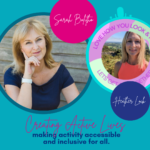
Sarah: Hello and welcome to this episode of Creating Active Lives with me, Sarah Bolitho, and my guest, Heather Lock. Today, we’re diving into the world of resistance training, particularly its significance for women, and dispelling some myths along the way. Heather, thanks for joining me.
Heather: Thanks for having me, Sarah. I’m excited to delve into this topic with you.
Sarah: Absolutely. Now, Heather, you specialize in helping women, especially those over 40, take charge of their health and happiness through resistance training. What led you to focus on this particular area?
Heather: Well, Sarah, it all started with my own journey. After having my daughter, I felt a strong desire to transform myself, not just physically but mentally too. I realized the power of resistance training in achieving this transformation and wanted to share it with other women who may be facing similar challenges.
Sarah: That’s fantastic. I think many women can relate to that desire for transformation. Resistance training often gets a bad rap, with many women fearing they’ll bulk up like bodybuilders. What’s your take on this misconception?
Heather: Oh, absolutely. It’s a common misconception, but the reality is quite different. Resistance training is about so much more than just building muscle mass. It’s about improving body composition, strength, and overall health. Plus, it’s much harder for women to bulk up like bodybuilders due to differences in hormonal makeup and other factors.
Sarah: That’s a great point. So, what are some practical ways women can incorporate resistance training into their lives, especially if they’re new to it?
Heather: Well, Sarah, there are countless options, from simple bodyweight exercises like squats and push-ups to using equipment like kettlebells and resistance bands. The key is to find what works for you and start slowly. It’s not about spending hours in the gym but rather making consistent, manageable efforts.
Sarah: I couldn’t agree more. It’s all about finding what works for your body and lifestyle. Now, let’s talk about the benefits of resistance training. Beyond physical appearance, what are some other advantages?
Heather: Ah, there are so many! First and foremost, resistance training boosts metabolism, which helps with weight management. It also improves bone density, essential for women as they age. And let’s not forget the mental health benefits—exercise is a powerful mood booster!
Sarah: Absolutely. Mental health is just as important as physical health. And speaking of health, what about the role of resistance training in preventing chronic conditions like diabetes?
Heather: Ah, yes, that’s another important aspect. Resistance training helps regulate blood sugar levels and improve insulin sensitivity, which are crucial for preventing and managing conditions like diabetes. Plus, it promotes overall cardiovascular health, reducing the risk of heart disease.
Sarah: Fascinating. It’s amazing how interconnected our physical and mental health are. Now, let’s address the elephant in the room—the infamous 10,000 steps a day goal. Is it really necessary, or are there other ways to stay active?
Heather: Ah, the 10,000 steps goal. While it’s a good benchmark for overall activity, it’s not the only way to stay active. Incorporating movement throughout the day, even in short bursts, can be just as beneficial. And let’s not forget the mental health benefits of spending time outdoors, whether it’s for a leisurely stroll or a brisk walk.
Sarah: Alright, let’s dive a bit deeper into this. You know, it’s funny how our modern lifestyles keep us tethered to our desks, right? I mean, think about it—emailing, texting, virtual meetings—it’s like we’re practically glued to our chairs. But then there’s this ironic twist: smokers, they actually end up taking more steps because they have to physically leave the building several times a day. Meanwhile, non-smokers might find themselves stuck indoors for hours on end. Now, I’m not advocating for smoking, definitely not. But it does make you think about the importance of movement, right?
Heather: Absolutely, it’s all about finding those opportunities to get up and move, especially during those long office hours.
Sarah: Exactly. And studies suggest that even just 6-8k steps a day can have significant health benefits. That’s not too hard to achieve, right? Just break it down, aim for around 20 minutes of movement every hour. It’s all about incorporating small, manageable changes into our daily routines.
Heather: Right, like taking walking meetings instead of sitting in a conference room. It’s a win-win.
Sarah: Absolutely. And it’s not just about steps; incorporating simple exercises like squats or push-ups during breaks can make a big difference too.
Heather: Oh, definitely. It’s all about finding those little moments to squeeze in some activity.
Sarah: Exactly. And you know what’s interesting? Once you start becoming more active, you actually start craving it. Have you noticed that?
Heather: Oh, absolutely. It’s like your body starts to recognize the benefits and craves that feeling of being active.
Sarah: Exactly. And when you’re more active, you’re more mindful of what you eat too. Have you ever had those lazy days where you just crave unhealthy snacks?
Heather: Oh, all the time. It’s like I can’t resist reaching for those sugary treats when I’ve been inactive.
Sarah: Exactly! But here’s the thing: staying active helps curb those cravings. It’s like your body craves healthier options when it’s been moving.
Heather: Definitely. And speaking of nutrition, it plays a huge role in our overall health and body composition.
Sarah: Absolutely. It’s not just about eating less; it’s about eating better.
Heather: Right. And that means filling our plates with lean proteins and colorful veggies for a balanced diet.
Sarah: Exactly. Protein is crucial for muscle growth and feeling full, which helps prevent overeating.
Heather: And when you combine good nutrition with regular exercise, you start to see real changes in your body.
Sarah: Absolutely. And that’s where resistance training comes in. It’s not just about looking good; it’s about feeling good too.
Heather: Couldn’t agree more. Resistance training helps build strength and improve overall function, no matter your age.
Sarah: Exactly. It’s never too early or too late to start. In fact, the earlier you start, the better.
Heather: And the benefits extend far beyond just physical appearance. It’s about living a longer, healthier life.
Sarah: Absolutely. So if you’re still on the fence about resistance training, just give it a try. You’ll be amazed at how it can transform your body and your life.
Heather: Couldn’t have said it better myself, Sarah.
Sarah: Well, thank you, Heather. It’s been a pleasure discussing this with you.
Heather: Likewise, Sarah. Let’s continue spreading the message of health and wellness together.
Sarah: Definitely. And to all our listeners out there, remember: don’t resist resistance training—it could be the key to a happier, healthier you. See you next time on Creating Active Lives.
Recent Comments