
Embracing Holistic Wellness: Understanding Stored Survival Stress and Reconnecting with Our Bodies
In our modern, fast-paced world, many of us carry an invisible burden of stored survival stress. This form of stress, often stemming from both major traumas and the cumulative impact of minor, overlooked experiences, deeply affects our physical and emotional well-being. As we navigate through life, our bodies store these unprocessed stressors, manifesting in symptoms ranging from chronic pain to anxiety and depression. In this blog, we delve into the nature of stored survival stress, explore its impact on our bodies, and discuss practical steps to reconnect with our inner selves and promote healing.
Understanding Stored Survival Stress
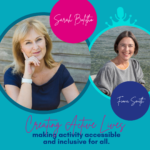
Trauma is commonly associated with significant, distressing events such as abuse, accidents, or acts of violence. However, Fiona L Smith, an experienced wellness practitioner, emphasizes that trauma isn’t solely about the events themselves but how our bodies respond to them. Trauma can also arise from a series of smaller, seemingly insignificant incidents that accumulate over time, leaving us in a constant state of alertness and preventing proper relaxation and healing.
When we don’t address these experiences, they get stored in our bodies, leading to a range of symptoms, from persistent pain and migraines to more severe conditions like fibromyalgia and chronic anxiety. Fiona shares her personal experience of dealing with a frozen shoulder following her mother’s death, highlighting how unprocessed grief and continuous stress can manifest physically.
Listening to Our Bodies
Our bodies constantly send us signals about their state, often through symptoms like pain or fatigue. These symptoms are not the problem but rather the body’s way of indicating that it needs attention and care. Recognizing and responding to these signals is crucial for healing and maintaining overall well-being. Fiona’s journey illustrates the importance of creating space and time to listen to our bodies and process our experiences.
Reconnecting with Nature and Our Inner Selves
One of the most effective ways to address stored survival stress is by reconnecting with nature and our inner selves. Nature offers a soothing, grounding environment that can help us slow down and tune into our bodies. Fiona emphasizes the significance of moving in a nourishing, gentle way, akin to nature’s own cycles. Even during winter, when movement is less apparent, nature is still alive and dynamic, teaching us the importance of continuous, mindful activity.
Practical Steps for Healing
- Micro Pauses: Introduce one-minute pauses throughout the day to simply breathe, release tension, and ground yourself. These micro pauses can be attached to routine activities like making tea or arriving at the office, helping you integrate mindfulness into daily life.
- Seek Glimmers: Focus on the small moments of joy, pleasure, and calm, known as glimmers. Whether it’s the smell of coffee, the sight of a blooming flower, or a laugh with a friend, recognizing and savoring these moments can build resilience and counterbalance stress.
- Self-Massage and Hug: Practice self-care through simple self-massage or a self-hug. These acts of self-nurture can provide comfort and reconnect you with your body’s sensations, promoting a sense of safety and relaxation.
- The Voo Breath: Engage in the Voo breath exercise to tone the vagus nerve, which plays a crucial role in regulating the nervous system. By creating a deep, resonant sound, you send a message of safety to your body, helping to alleviate stress and promote calm.
Embracing Change and Building Resilience
Change, even positive change, can be challenging because our brains often resist it. However, the journey toward healing and well-being begins with small, consistent steps. By integrating practices like micro pauses, seeking glimmers, self-massage, and the Voo breath into your routine, you can gradually shift your body’s response to stress and enhance your overall resilience.
Conclusion
Stored survival stress is a pervasive issue that affects many of us, often without our conscious awareness. By understanding the nature of this stress and taking proactive steps to reconnect with our bodies and nature, we can begin to heal and restore balance in our lives. Fiona L Smith’s insights and personal experiences underscore the importance of listening to our bodies, embracing mindful practices, and nurturing our connection with the natural world. Through these efforts, we can foster a deeper sense of well-being and resilience, empowering ourselves to navigate life’s challenges with greater ease and grace.
Further Reading and Resources
- Deb Dana’s work on glimmers and the autonomic nervous system
- Peter Levine’s Somatic Experiencing and the Voo breath exercise
- Books and articles on mindfulness and nature therapy
Call to Action
Start your journey today by incorporating one of these practices into your daily routine. Notice the small moments of joy and calm, take a minute to breathe and ground yourself, and embrace the power of self-care. Your body and mind will thank you.
Recent Comments