
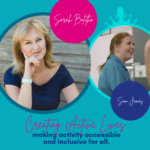
Introduction: In today’s society, the importance of inclusivity and equal opportunities is gaining widespread recognition. However, when it comes to the realm of fitness, there is still much progress to be made. Many individuals with disabilities find themselves excluded from mainstream fitness activities, facing barriers that prevent them from enjoying the physical and mental benefits of exercise. It’s time to shift our perspective, challenge misconceptions, and create an inclusive fitness culture that empowers people of all abilities.
Understanding the Need for Inclusivity: Sam, a fitness enthusiast and advocate for disability inclusion, highlights an essential point: “For me, those are people with physical disabilities that are technically being left out of mainstream fitness when they should be included.” It is crucial to recognize that people with disabilities deserve equal access to fitness opportunities and should not be overlooked or marginalized.
Breaking Stereotypes: One of the common misconceptions surrounding individuals with disabilities is that they are unable or unwilling to engage in physical activities. Sam wisely points out, “A lot of these non-disabled PTs don’t understand that they’re putting a lot of disabled people off exercise.” This highlights the responsibility of fitness professionals and enthusiasts to create an inclusive environment that encourages and supports individuals with disabilities to engage in fitness activities.
Empathy and Understanding: To foster inclusivity in fitness, it is important to approach each individual with empathy and understanding. Sam emphasizes, “Every disabled person is different.” Recognizing that each person’s abilities and limitations vary is essential. Instead of making assumptions, take the time to communicate and understand the specific needs and challenges of each individual. By doing so, we can tailor fitness routines that cater to their unique requirements.
Providing Adaptive Solutions: Inclusivity in fitness also means providing adaptive solutions and accommodations for individuals with disabilities. This may include modifying exercises, using specialized equipment, or incorporating alternative techniques. Sam shares, “They want you to ask those questions. They want you to get to know that condition.” By asking questions and actively seeking to understand an individual’s condition, we can collaborate with them to find the best and most effective fitness strategies.
The Importance of Neuro Conditions: It is crucial to highlight the significance of exercise for individuals with neurological conditions. Sam emphasizes, “Exercise for all neuro conditions is essential. You need it to improve a condition. If you don’t exercise as a neuro condition, it’s only going to get worse.” Regular exercise can contribute to improved mobility, balance, and overall well-being for people with neurological conditions. By prioritizing their inclusion in fitness programs, we can make a positive impact on their lives.
Creating an Inclusive Fitness Community: Building an inclusive fitness community requires a collective effort. Fitness professionals, gym owners, and enthusiasts should actively strive to make their spaces welcoming and accessible for everyone. This could involve offering inclusive classes, providing accessible equipment, and fostering a culture of respect and support. By embracing inclusivity, we not only empower individuals with disabilities but also enrich the overall fitness experience for everyone involved.
Conclusion: Inclusivity in fitness is a journey that requires ongoing commitment and education. By challenging stereotypes, practicing empathy, and providing adaptive solutions, we can create an environment where individuals with disabilities feel empowered to engage in physical activity. Let us embrace inclusivity and work together to ensure that fitness truly becomes an activity that is accessible and enjoyable for all. Together, we can break down barriers and create a more inclusive and empowering fitness culture for people of all abilities.
Recent Comments